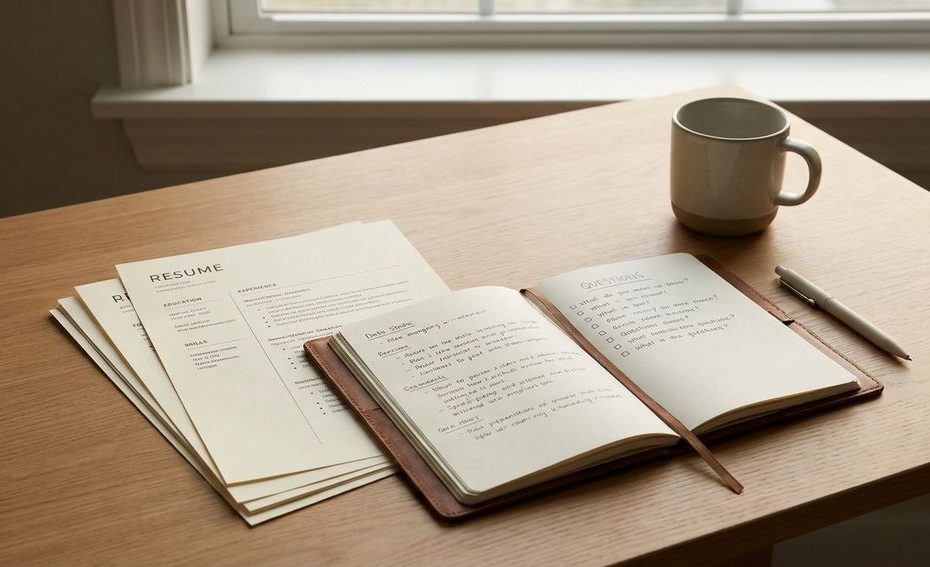
You can complete effective career fair preparation in one afternoon by focusing on employer research, a polished resume, a short introduction, professional clothing, recruiter questions, and a follow-up plan. A few focused hours can give you enough confidence and direction to make useful employer connections.
Limited time doesn’t mean you should skip the fair. It means you need to prioritize the tasks that shape recruiter conversations and remove unnecessary work. The plan below helps you decide what to prepare, what to bring, and how to use your time at the event.
Why One Afternoon Is Enough
Career fairs reward purposeful preparation, not the number of days you spent thinking about the event. Recruiters need to understand what you’re looking for, what you can contribute, and whether there’s a sensible reason to continue the conversation. You can prepare those points in several focused hours. You don’t need perfect materials or detailed knowledge of every employer in the room.
Skipping the fair removes any chance of meeting a recruiter, learning about an employer, or practicing professional conversations. Attending with a simple plan gives you opportunities that staying home cannot. You may discover roles that weren’t obvious from company websites or job descriptions. You’ll also learn which parts of your introduction work well and which need refinement.
Set a timer for each task and stop when the time expires. A fixed schedule prevents you from spending the entire afternoon adjusting resume spacing or reading company history. Your goal is to become prepared enough to hold focused conversations. Perfection can wait.
What Employers Look For At A Career Fair
Recruiters usually look for candidates who communicate professionally, show real interest in the organization, and can explain their strengths without rambling. Your resume matters, but the conversation around it often shapes the recruiter’s first impression. A polished introduction shows that you respect the recruiter’s time. Relevant questions show that you researched the employer rather than joining the line at random.
You don’t need extensive work experience to make a strong impression. Coursework, volunteer service, campus involvement, personal projects, certifications, and part-time jobs can all demonstrate useful skills. Focus on what you learned, what you completed, and how your experience relates to the employer’s needs. Specific details are easier to remember than broad claims about being hardworking or motivated.
Professional behavior also matters. Make eye contact, listen closely, keep your phone out of sight, and avoid dominating the conversation. If other candidates are waiting, keep your exchange focused and ask how you can continue the discussion later. A short, thoughtful conversation often serves you better than a long conversation without direction.
Step 1: Research Employers In 45 Minutes Or Less
Start by reviewing the fair’s employer list and selecting five to ten organizations that fit your interests. Divide them into three groups: top choices, solid options, and employers you want to explore. This ranking helps you use your energy wisely once the fair becomes crowded. Visit your top choices after you’ve completed one lower-pressure conversation and settled into the event.
Spend several minutes on each employer’s website, job listings, and event profile. Record what the organization does, the positions or programs that interest you, and one detail you can mention to the recruiter. You’re looking for conversation material, not attempting to memorize the entire organization. A short note beside each company name is enough.
Pay attention to required skills and repeated language in job descriptions. If several roles mention customer communication, data analysis, project coordination, or technical support, connect those needs to your own experience. Write one matching skill or accomplishment beside each target employer. This gives you a natural starting point when a recruiter asks why you’re interested.
Step 2: Update Your Resume Without Overthinking It
Give your resume one focused editing session rather than attempting a full redesign. Check your contact information, education, recent experience, skills, and relevant projects. Remove outdated details that no longer support your goals. Keep formatting consistent so recruiters can scan the page quickly.
Strengthen weak bullet points by leading with direct verbs and describing what you produced, improved, managed, or supported. Replace vague duties with details that reveal responsibility and results. If you don’t have formal employment experience, include class projects, volunteer work, leadership, independent work, or community involvement. The experience is useful when it demonstrates skills the employer values.
Print enough clean copies for your target employers, several backup conversations, and one copy for yourself. Ten to fifteen copies will suit many events, but the employer count should guide your decision. Place them in a folder or padfolio so they remain flat and clean. If printing isn’t possible, save a portable document format (PDF) copy on your phone and in cloud storage, then confirm whether the fair accepts digital resumes.
Step 3: Build A 30-Second Elevator Pitch
Your elevator pitch should tell the recruiter who you are, what you’re studying or doing now, what type of opportunity you want, and why the employer interests you. Keep it conversational rather than memorizing a formal speech. A useful structure is: name, current role or education, relevant strength, career interest, and employer connection. Aim for about 30 seconds.
You could say, “Hello, I’m Jordan Lee. I’m completing a business analytics program and recently finished a project focused on customer retention data. I’m looking for an entry-level analyst role where I can apply research and reporting skills, and your operations positions caught my attention.” Adjust the details to match your background and each employer.
Practice aloud several times, then record yourself on your phone. Listen for filler words, rushed sentences, and phrases that sound unnatural. Practice until you can deliver the main points without reciting them word for word. Your pitch should open the conversation, not control the entire exchange.
Step 4: Choose Professional Clothing You Already Own
You don’t need to shop for a new outfit the day before the fair. Choose clean, well-fitting clothing that looks more polished than your everyday classroom or workplace attire. Neutral colors and simple combinations reduce distractions. The goal is to look prepared and feel comfortable enough to focus on conversations.
Check the outfit for wrinkles, stains, loose buttons, and damaged shoes. Prepare everything now, including socks, a belt, a bag, and any outer layer you may need. Avoid testing unfamiliar shoes when you expect to stand or walk for a long period. Comfort supports better posture, steadier energy, and fewer distractions.
If the fair is virtual, professional clothing still helps you appear prepared on camera. Check how your top looks against the background and confirm that the room has enough light. Position the camera near eye level and test your microphone. Close unrelated tabs, silence notifications, and keep your resume and employer notes within reach.
Step 5: Prepare Three Smart Recruiter Questions
Prepare three reusable questions, then add one employer-specific question for each top choice. Strong questions invite the recruiter to explain the role, team, hiring process, or qualities associated with successful candidates. Avoid questions that can be answered by reading the first paragraph of the company’s website. Your research should make the discussion more specific.
You can ask what new hires usually work on during their first few months, which skills help candidates stand out, or how the recruiting process continues after the fair. You can also ask how a particular role works with other departments. If you found an interesting job listing, ask the recruiter what experience would make an applicant more competitive. These questions help you gather information you can use in an application or interview.
Listen to the answer and ask one short follow-up question when appropriate. Don’t rush through your prepared list as though you’re conducting a survey. A good conversation develops from what the recruiter says. Write brief notes after leaving the booth so you don’t forget useful details.
Step 6: Plan Your Follow-Up Before You Arrive
Create a follow-up email template during your afternoon of career fair preparation. Include space for the recruiter’s name, the organization, the role discussed, and one detail from the conversation. Preparing the structure now reduces the work you’ll face after the event. You’ll only need to personalize the message before sending it.
A useful follow-up email thanks the recruiter, mentions where you met, refers to a specific discussion point, and confirms your interest. Keep it brief. If the recruiter gave you application instructions, acknowledge them and complete the requested action. Proofread names, job titles, and company details before sending anything.
Decide how you’ll collect contact information during the fair. Ask recruiters whether they prefer email, a professional networking platform, or an application portal. If business cards aren’t available, record the recruiter’s name and team in your notes. Don’t rely on memory after speaking with several people.
Plan Your Route And Event Strategy
Review the location, start time, transportation, parking, check-in instructions, and building entrance. Add travel time and a reasonable buffer so a missed bus or crowded parking area doesn’t derail your plan. Place the address and event details in your phone. Charge your phone and pack a portable charger if you own one.
Plan to speak with a lower-pressure employer first. That initial conversation gives you a chance to settle your nerves and refine your pitch before approaching a top choice. Move to your priority employers once you feel comfortable. After those conversations, use the remaining time to explore organizations you know less about.
Quality matters more than collecting the largest number of recruiter contacts. A focused discussion with five relevant employers can be more useful than hurried introductions with twenty. Give yourself a target range, but don’t treat it as a quota. Stay flexible if a useful conversation takes longer than expected.
Pack A Simple Career Fair Bag
Bring printed resumes, a folder or padfolio, a pen, your employer notes, and a small notebook. Add water, breath mints, and any event identification or registration confirmation you need. Keep the bag light enough to carry comfortably. Large backpacks and loose papers can become awkward in crowded spaces.
Your phone can store your schedule, employer notes, digital resume, transportation details, and contact information. It shouldn’t replace basic preparation or distract you during conversations. Review notes before joining a line, then put the phone away before greeting the recruiter. If you need to record information, step aside after the conversation.
Check your bag before leaving home rather than packing at the door. Confirm that your resume copies are clean and that your pen works. Keep personal items organized so you aren’t searching through the bag at a recruiter’s table. Small logistical choices help you appear calm and ready.
Common Last-Minute Preparation Mistakes
Don’t spend most of your afternoon redesigning your resume. Clear content, accurate details, and readable formatting matter more than decorative changes. Stop editing once the document communicates your experience effectively. Use the remaining time to research employers and practice speaking.
Avoid memorizing long scripts. Recruiters may ask questions in an unexpected order, and a rigid script can make it harder to respond naturally. Learn your main points instead: who you are, what you offer, what you want, and why you approached that employer. This keeps your message consistent without making it sound rehearsed.
Don’t apologize for limited experience or last-minute attendance. Lead with the skills and experience you do have. Avoid opening with questions about salary, time off, or benefits unless the recruiter introduces those topics or the event is designed for detailed job discussions. Use the first meeting to establish fit, interest, and a reason to continue talking.
Your One-Afternoon Career Fair Prep Timeline
Begin with 45 minutes of employer research, then spend about an hour updating and proofreading your resume. Set aside another 30 minutes to print copies, organize digital files, and pack your folder. Use 30 minutes to write and practice your elevator pitch. Short breaks between tasks will help you stay focused.
Give yourself 30 minutes to select clothing and prepare everything you’ll wear. Spend another 30 minutes writing recruiter questions and your follow-up template. Use the remaining time to review travel details, organize your bag, and rehearse two or three sample conversations. Adjust the schedule based on whether your resume needs minor corrections or a larger update.
End the afternoon with a brief review rather than another editing session. Read your target employer notes, say your introduction aloud, and confirm that your materials are ready. Then stop preparing. Rest will serve you better than making late, unnecessary changes.
How Can You Prepare For A Career Fair In One Afternoon?
- Research 5 to 10 employers
- Update and print your resume
- Practice a 30-second introduction
- Choose professional clothing
- Prepare three recruiter questions
- Draft a follow-up email
Turn A Short Afternoon Into A Useful Opportunity
Good career fair preparation comes from choosing a few tasks that improve every conversation. Research your priority employers, make your resume easy to scan, and practice explaining what you bring to the table. Prepare questions that move beyond basic website information, then record details that make follow-up easier. You don’t need weeks of planning to attend with purpose. A focused afternoon gives you a practical plan, useful materials, and a stronger reason to walk through the door.
References
- National Association of Colleges and Employers: Career Fairs
- Indeed Career Guide: Career Fair Tips
- Handshake: How to Prepare for a Career Fair
- The Muse: How to Prepare for a Career Fair
- Glassdoor: Career Fair Tips.

Olivier Gillier is a global investment strategist and co-founder of RioBlanco Capital LLC, with over 20 years of experience in wealth management and international markets. A former Senior Vice President at Merrill Lynch, he now focuses on private equity, cross-border finance, and philanthropic initiatives worldwide.