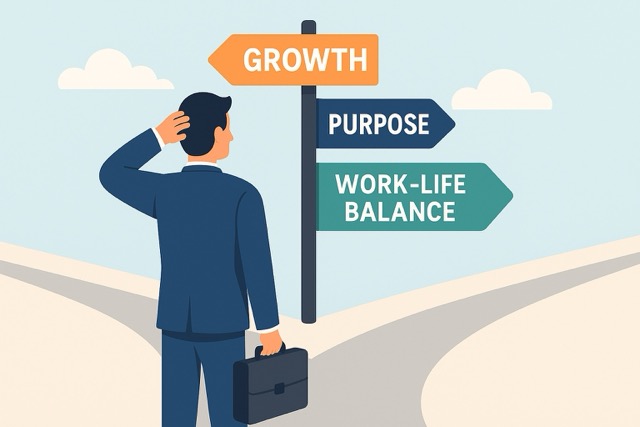
Your career doesn’t come with a GPS, but there are real indicators that can help you recognize whether you’re heading in the right direction or veering off course. Some people wake up energized by the work they do. Others hit snooze repeatedly, dreading what’s ahead. If you’re trying to figure out whether your current path fits who you are and where you’re going, there are signs worth paying attention to—and ways to shift course if they’re missing. In this article, you’ll explore seven practical indicators that suggest you’re on track, and strategies to realign if your career feels off-balance.
1. You Feel Energized by What You Do
When you’re doing work that fits, you don’t need to drag yourself through the day. You feel challenged—but in a good way. The kind of tired you feel at the end of the day is satisfying, not draining. If you consistently feel energized by the tasks you handle, you’re likely doing something that connects with your core interests.
If, on the other hand, you find yourself constantly depleted, it may not be about stress management—it could be a mismatch in your career alignment. The fix isn’t always drastic. Sometimes it’s about shifting roles within your field, changing your workload, or finding work that better suits your natural drive and focus.
2. Your Strengths Are Being Put to Use
When your strongest skills are part of your daily workflow, work feels more natural and rewarding. Whether you’re a strategist, communicator, problem-solver, or builder, using those talents keeps you engaged and productive. You’re not just getting through tasks—you’re thriving in them.
But if your role doesn’t tap into what you’re best at, frustration builds. You may feel boxed in or overlooked. That’s a signal to reassess. Look for projects or responsibilities where your strengths can shine. If you’re not getting those chances internally, it might be time to start exploring new opportunities that let you bring more of yourself to the table.
3. There’s Room to Grow and You Can See It
A healthy career path offers clear ways to develop. You’re not stuck doing the same thing year after year without progress. You have access to mentors, learning opportunities, and projects that stretch you. Growth doesn’t always mean a promotion—it could be taking on a new challenge, gaining a certification, or deepening your expertise.
If growth feels like it’s stalled, that’s worth paying attention to. You don’t want to sit in a role where your skills stagnate. Talk with your manager about stretch assignments, lateral moves, or training options. And if those conversations go nowhere, start building a development plan on your own terms. Keep learning, and don’t wait for permission to grow.
4. Your Work Aligns with Your Values
When your career matches your personal values, you feel connected to your work. Whether it’s about creativity, service, integrity, or innovation, having a shared value system with your company makes a difference. It’s not just what you do, it’s how and why you do it.
If your job routinely puts you in situations that conflict with what you care about, disconnection grows fast. You don’t have to agree with every company policy, but if your day-to-day work goes against your ethics or priorities, something needs to change. That might mean finding a new role in your industry—or shifting to an organization whose mission lines up better with your principles.
5. You Receive Useful Feedback and Recognition
In a role that suits you, your contributions don’t go unnoticed. Whether it’s formal performance reviews or casual recognition from peers, you get signals that what you’re doing matters. You also get clear direction for improvement—because people see potential and want to help you grow.
If you’re working hard and hearing crickets—or worse, getting vague or negative feedback—it’s worth asking yourself if your talents are being fully recognized. Sometimes the answer is to communicate your goals more clearly. Other times, it’s about finding a workplace that values initiative and recognizes results. You deserve to know where you stand and what your efforts lead to.
6. You Can Picture a Future in This Field
When you’re on the right path, your future doesn’t feel blurry. You can visualize yourself reaching the next level or building something meaningful. That picture might not be crystal clear, but you feel movement, purpose, and direction. You’re not stuck—you’re progressing.
If you can’t picture what the next five years could look like, or if the only thing you see is burnout, take that seriously. It’s okay to pivot. You might need to explore adjacent fields, learn a new skill set, or simply redefine what success looks like for you now. Careers aren’t static—they change as you grow. So should your vision.
7. Your Work-Life Balance Feels Sustainable
A good career supports your life, not the other way around. When you’re in the right role, you have time and energy for relationships, health, and rest. You can unplug without guilt. Your personal priorities don’t constantly fight with your professional ones.
If your job consistently overrides your life—if evenings, weekends, and vacations disappear into a work black hole—you’re not in a sustainable rhythm. That doesn’t mean walking away from your field altogether, but it could mean setting boundaries, renegotiating terms, or shifting into a position that gives you more control. Long-term success depends on protecting your energy, not just spending it.
Key Signs You’re on the Right Career Path
- You feel energized
- Your strengths are used
- You’re growing professionally
- Your values match your work
- You get meaningful feedback
- You can see a future
- Work-life balance is manageable
In Conclusion
You don’t have to guess whether you’re in the right career. Your energy, progress, feedback, and sense of purpose all give you valuable clues. If several of these signs ring true, you’re likely on solid ground. But if they don’t, you have options—adjustments, conversations, or pivots that can lead to a better fit. A fulfilling career isn’t something you stumble into—it’s something you build, one step at a time, by staying honest about what’s working and what’s not.
Read more insights and engage on Quora: Explore answers and perspectives on career development and more.

Olivier Gillier is a global investment strategist and co-founder of RioBlanco Capital LLC, with over 20 years of experience in wealth management and international markets. A former Senior Vice President at Merrill Lynch, he now focuses on private equity, cross-border finance, and philanthropic initiatives worldwide.